

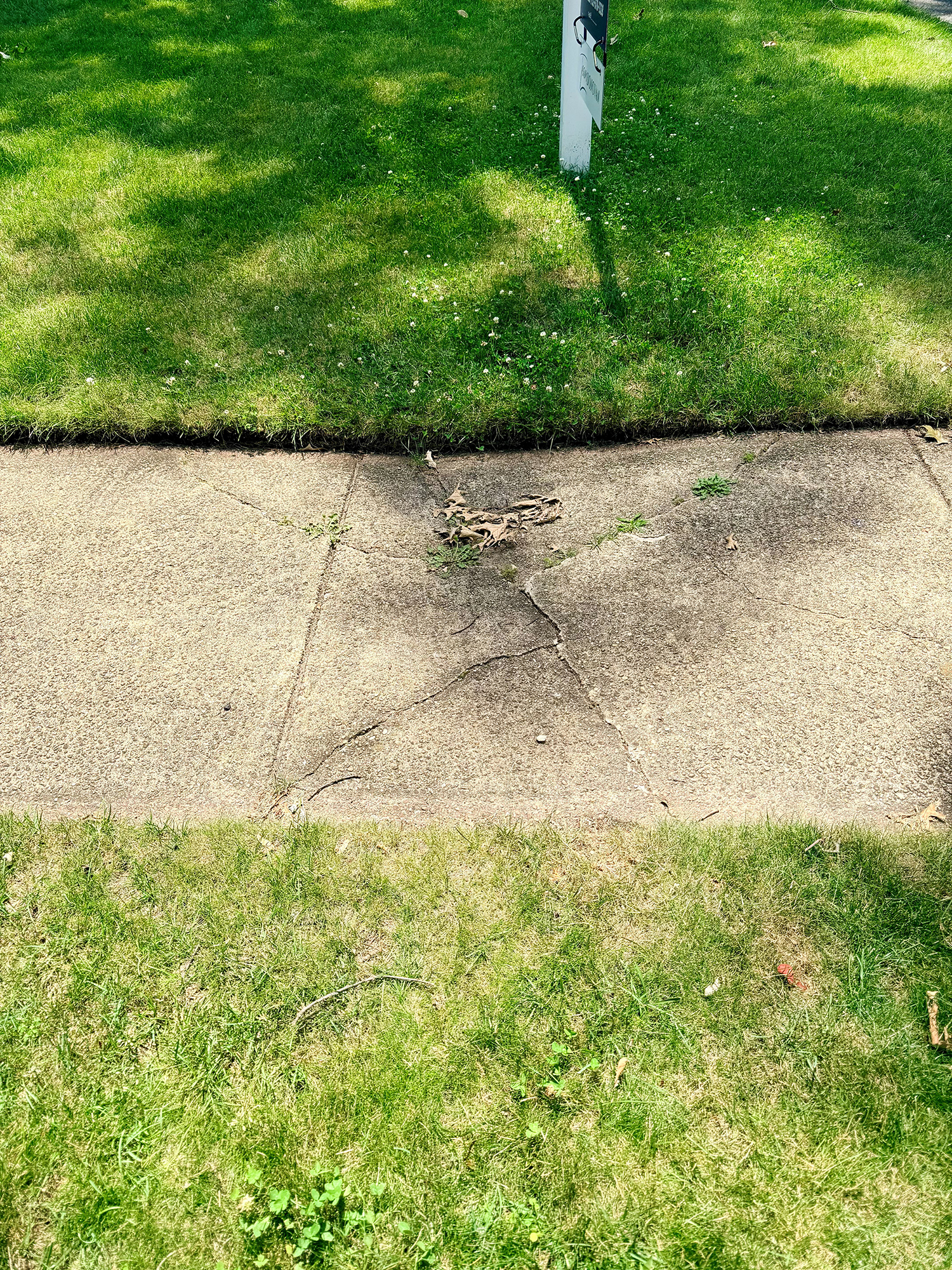
Depending on how long ago you purchased a home, you likely have not experienced the joys of doing a sewer scope as part of your home inspection. In the last few years, a sewer inspection has been included in best practices at a home inspection, alongside a termite inspection, chimney inspection, and oil tank sweep. At salt + cedar we highly recommend a sewer inspection since many homes in beach communities like Manasquan, Sea Girt, or Spring Lake have older clay or cast-iron lines that are highly prone to tree root intrusion or shifting from sandy soil.
Why is a sewer inspection important?
While a standard home inspection covers the interior plumbing, it completely misses the main sewer line buried underground. A sewer scope uses a specialized camera to inspect the line from the house to the municipal sewer main or septic tank. This is critical because fixing an underground sewer line is one of the most expensive hidden costs a new homeowner can face. Finding out its condition before closing gives you peace of mind and prevents a massive, unexpected financial headache right after moving in.
What kind of issues can arise?
Several hidden problems can plague an underground sewer line, including:
-
Tree Root Intrusion: Roots seek out moisture and can easily force their way through small cracks or joints in the pipe, causing massive clogs and structural damage.
-
Pipe Shifting or “Bellies”: Over time, shifting soil can cause sections of the pipe to sag (creating a “belly”) where waste and water collect, leading to frequent backups.
-
Cracked, Collapsed, or Broken Lines: Older pipes made of clay, cast iron, or Orangeburg (tar paper) are highly susceptible to deteriorating, cracking, or completely collapsing under pressure.
-
Debris and Heavy Clogs: A buildup of grease, wet wipes, or scale can severely restrict water flow.
Who is responsible for rectifying the issues?
Generally, the homeowner is financially responsible for the sewer line from the house all the way up to where it connects with the city’s main line (often extending under the street or sidewalk).
If issues are found during the home inspection period:
-
The Buyer’s Move: The buyer typically requests that the seller either repair the line before closing or provide a financial credit so the buyer can fix it after moving in.
-
The Seller’s Choice: Because a broken sewer line is a material defect that would have to be disclosed to any future buyer, sellers are usually incentivized to negotiate a solution rather than letting the deal fall through.
Contact your salt + cedar agent today to hear firsthand experienece and get recommendations on local sewer scope professionals in the Jersey Shore area so you can flow to the closing table on your next transaction!